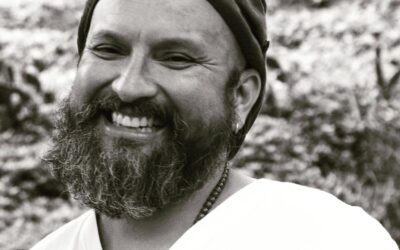
Kylie House, MD, is a PRATI trainer whose work emphasizes mindful engagement with life’s challenges, supporting clients in turning difficult experiences into opportunities for growth and insight that resonate beyond the individual.
Through her work with ketamine-assisted psychotherapy (KAP) and psychedelic-assisted therapy (PAT), Kylie facilitates access to parts of the mind that clients may have long shielded from awareness, creating opportunities for profound insight and healing. She emphasizes the importance of authenticity and embodied transparency for providers entering this work, noting that the practice can transform both the practitioner and the client.
We are honored to highlight Kylie’s vision of a world where healing is holistic, interconnected, and deeply human, and grateful for her dedication to advancing the practice of psychedelic-assisted therapists.
Tell us a little about your therapeutic practice and your vision for the world.
My therapeutic practice is influenced by my somewhat Buddhist metaphysical world view that there is an inherent pain to living on this Earth, but how we approach this pain greatly determines the degree to which we suffer. Through my therapeutic practice, I hope to help people bravely approach what is ailing them in a fashion that allows them to gain wisdom and ultimately be able to share their wisdom in a way that permeates throughout the human and non-human communities.
What do you appreciate most about using KAP/PAT as a modality with your clients?
I appreciate that these methods allow people to gain access to parts of their minds from which they have been unconsciously protecting themselves. I have found that removing that barrier is so invaluable to the individual finding themselves in distress, yet feeling stuck.
What advice would you offer to a provider interested in starting to practice KAP/PAT?
This work demands a degree of authenticity that I’m unsure exists in any other vocational setting. A provider interested in starting this practice needs to genuinely ask themselves if they are ready to not only take off the mask of their persona, but even to feel a sense of embodied transparency.
Is there anything else you would like to share with our community?
Ideally, this work changes the practitioner as much as it helps to change their clients. Personally, I’m so thankful for where this work has brought me so far, and I can only assume that I have a lot more to learn.