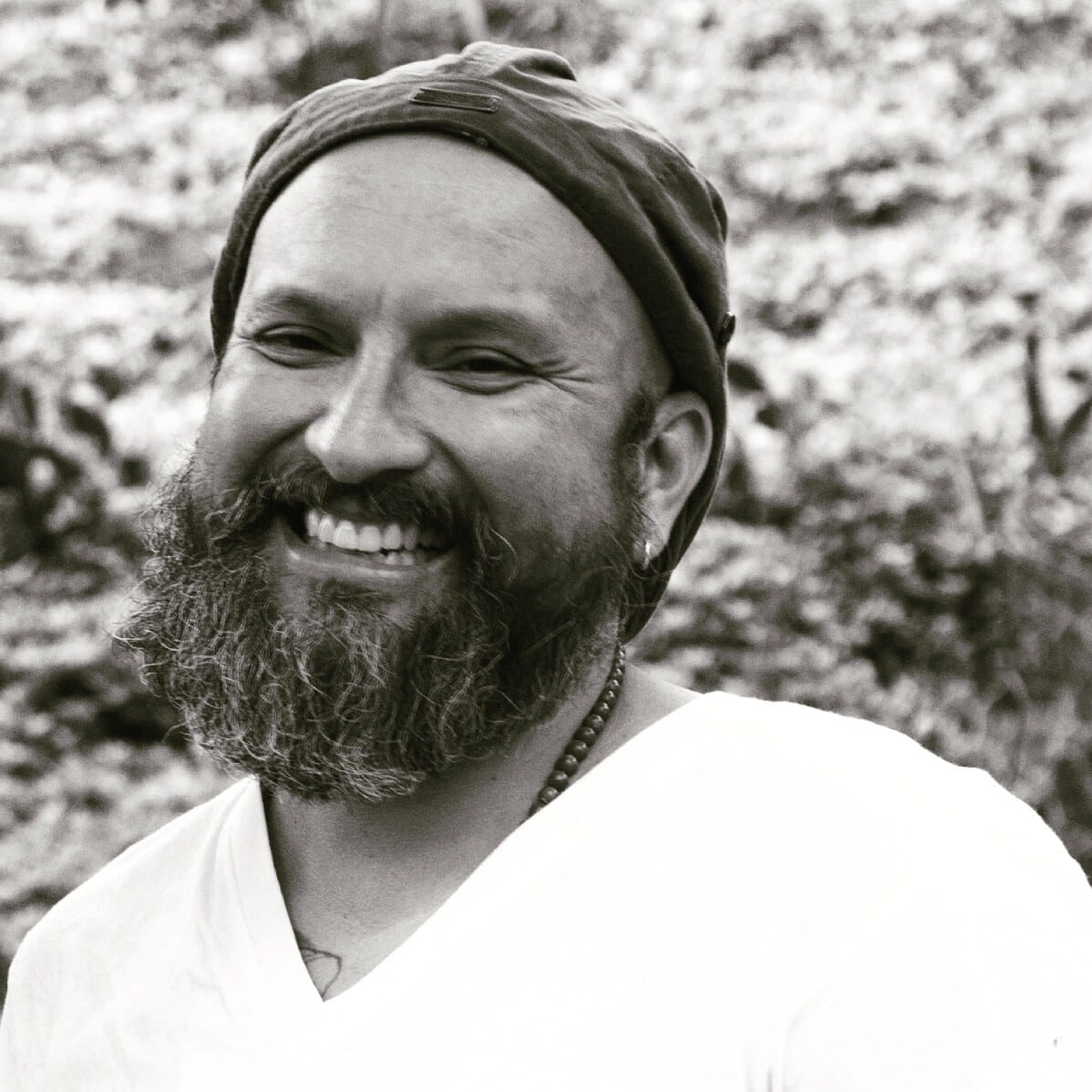
PRATI alum Roberto Lara, LCSW, is the founder of HeartMind Psychotherapy in Salt Lake City, Utah. He specializes in complex trauma, attachment wounds, and intergenerational healing, weaving together EMDR, IFS-informed EMDR, and ketamine-assisted psychotherapy (KAP) to support clients in reconnecting with resilience and wholeness. He is also developing the SLC Trauma Collective, a collaborative model that brings local practitioners together in service of the community.
Guided by his belief that “the therapeutic relationship is the cornerstone of healing,” Roberto brings a culturally attuned lens shaped by his experience as a Latin American immigrant. Offering care in both Spanish and English, he creates inclusive spaces that welcome clients of diverse backgrounds, identities, and neurotypes.
We are honored to highlight Roberto’s vision of a trauma-informed and inclusive world in this spotlight interview, and grateful for the dedication he brings to advancing psychedelic-assisted care.
Tell us a little about your therapeutic practice and your vision for the world.
I am a trauma psychotherapist and the founder of HeartMind Psychotherapy in Salt Lake City, Utah. I specialize in complex trauma, attachment wounds, developmental ruptures, and relational and intergenerational trauma—including the deep impact of intimate partner violence (IPV), narcissistic abuse, and other forms of trauma. I am also in the process of creating the SLC Trauma Collective, a collaborative, care-driven model that brings together trauma psychotherapists and local practitioners to serve the community in a more connected and holistic way.
At the heart of my work is a profound belief: the therapeutic relationship is the cornerstone of healing. As an EMDRIA-approved consultant, I weave together EMDR, IFS-informed EMDR, and ketamine-assisted psychotherapy (KAP) to meet clients wherever they are on their healing journey. Shaped by my experience as a Latin American immigrant, I bring a nuanced cultural lens to therapy, recognizing the particular struggles that can emerge in Latinx communities, such as intergenerational value clashes and unspoken cultural expectations. With compassion and creativity, I integrate culturally attuned approaches, as well as psychedelic-assisted methods, to support deep and lasting transformation.
Through HeartMind Psychotherapy, I am devoted to creating a space that is not only trauma-informed, but also inclusive of culture, gender identity, and neurodiversity. Providing care in both Spanish and English, I strive to make therapy accessible and welcoming for clients who might otherwise feel unseen or overlooked.
Anchoring my work is a bold vision: a trauma-informed and inclusive world where all people—especially those who have historically been marginalized—can access meaningful, evidence-based therapy and experience the freedom that comes with true healing.
What do you appreciate most about using KAP/PAT as a modality with your clients?
I hold a deep reverence for the integrative potential of Ketamine-Assisted Psychotherapy/Psychedelic-Assisted Therapy (KAP/PAT) to open doors of healing for clients facing the persistent impacts of complex trauma and other mental health challenges. By combining the window of neuroplasticity and the psychospiritual depth that ketamine medicine can offer with Internal Family Systems, EMDR, and the steady ground of a strong therapeutic alliance, my clients are often able to access profound and lasting shifts—ones that traditional talk therapy alone may not always make possible.
This integrative approach is not about symptom management but about honoring each client’s unique journey and trusting in their innate capacity to heal. In this safe, affirming, and non-pathologizing space, clients are supported in reconnecting with their authentic selves, rediscovering resilience, and cultivating a sense of wholeness that extends far beyond the therapy room.
What advice would you offer to a provider interested in starting to practice KAP/PAT?
I strongly encourage prospective providers to approach the art and science of KAP/PAT as lifelong learners—grounding their practice in ethical care, cultural humility, and deep attunement to the diversity of lived experience. Ongoing comprehensive training, regular self-reflection, and the cultivation of authentic therapeutic alliances are essential foundations for those who choose to walk this path.
Equally important is a commitment to honoring both neurodivergence and cultural plurality—not only within clients, but also within ourselves as providers. By embracing these differences with openness and adaptability, practitioners can tailor their approaches to meet varied learning styles, communication needs, and ways of being in the world, ensuring that healing remains truly inclusive and responsive.
Is there anything else you would like to share with our community?
I want to express my heartfelt gratitude for the vibrant and supportive PRATI community, whose dedication is helping advance psychedelic medicine and trauma-informed psychotherapy. I am equally inspired by the courage that both clients and clinicians bring to this transformative work, which continues to ripple outward in profound and lasting ways.